
|
Nature | Flowers of Hakone | Hot springs (onsen) | History | Parks and botanica gardens | Art and othermuseums | Transportation |
|
|
|
Nature |
|
|
|
 |
|
|
|
|
|
|
 |
 |
 |
| Mount Fuji, seen from Moto-Hakone |
|
 |
Mount Fuji
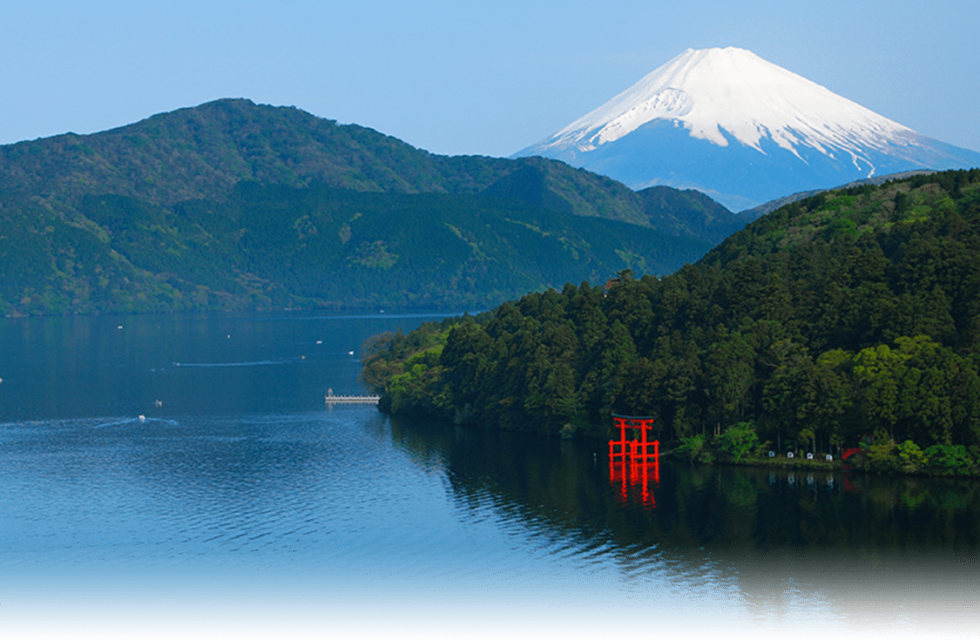
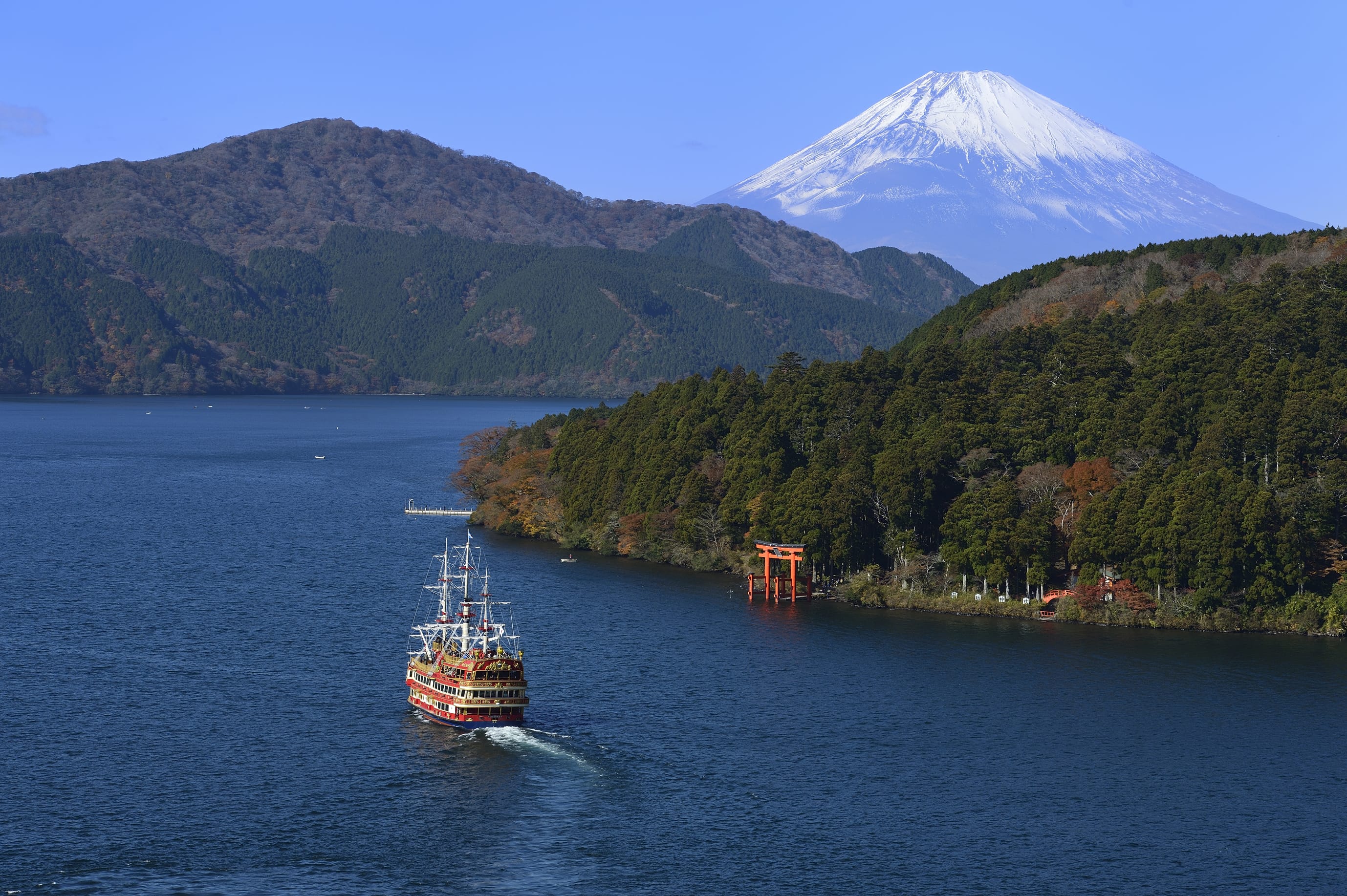
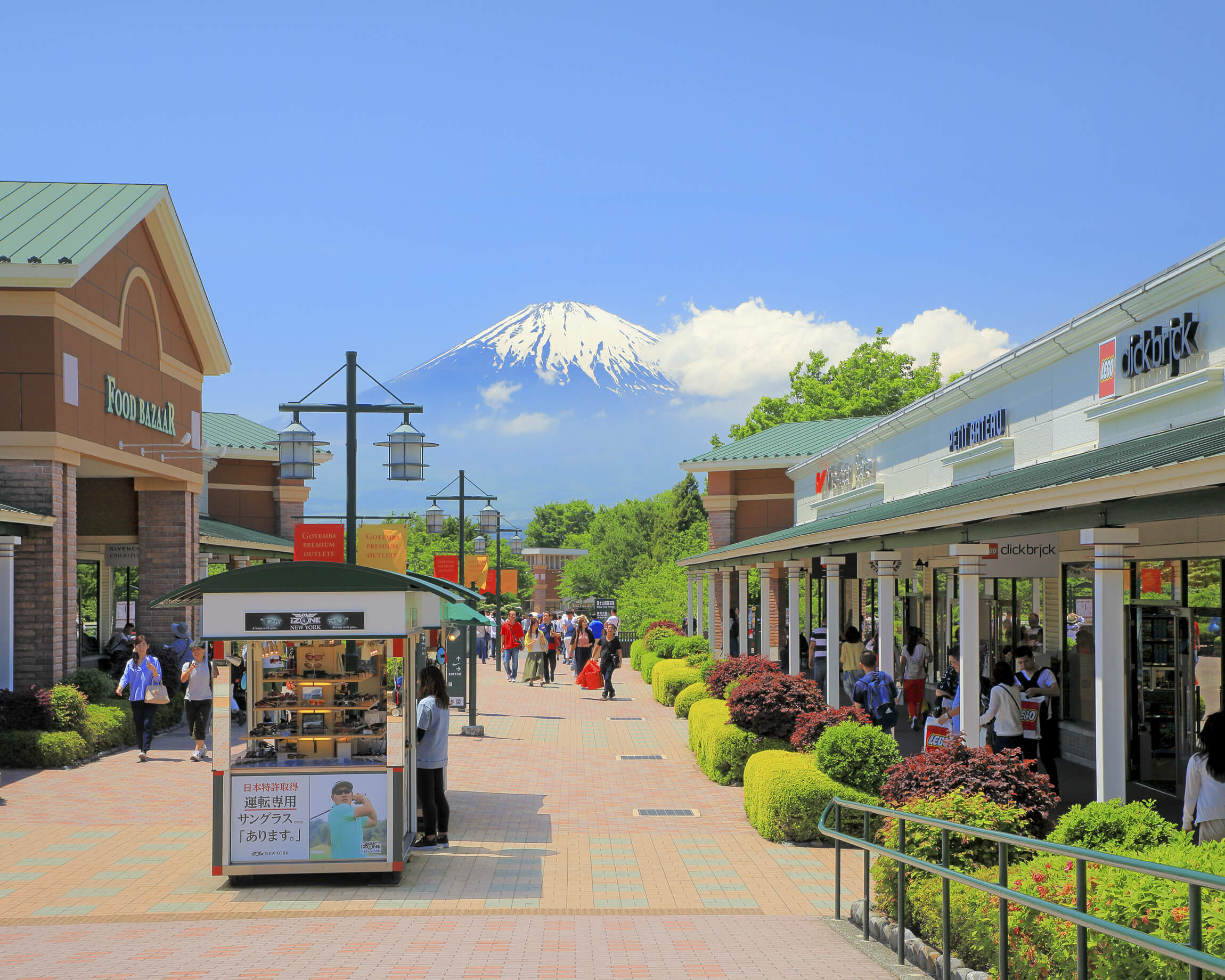
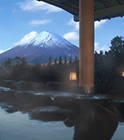
Hakone and Mount Fuji are subjects immortalized in the woodblock prints of Hokusai. Only in Hakone can viewers enjoy the sight of the large red torii gate of Hakone-jinja Shrine standing in Lake Ashi, with Mount Fuji rising majestically in the background.
At spots like Owakudani and Otome Pass, visitors can feast their eyes on a stirring and memorable view of Mount Fuji all the way down to its foothills. |
 |
 |
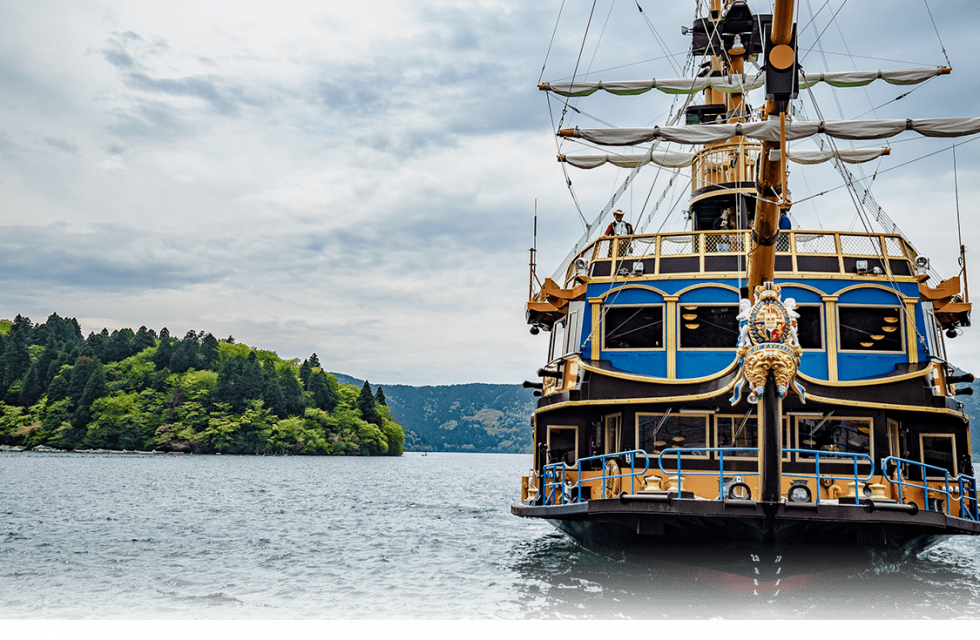
| Hakone Sightseeing Cruise (a view of one of the sightseeing ships from Moto-Hakone Port) |
|
 |
Lake Ashi
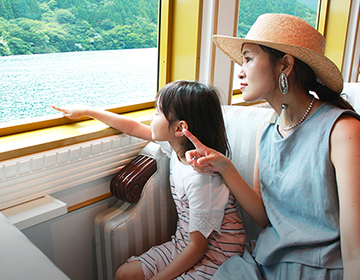
Lake Ashi is a placid lake surrounded by mountains and dense forest. The view from the lake on the Hakone Sightseeing Cruise gives a completely different perspective than from land. Walking paths along the lake, Hakone-jinja Shrine, Onshi-Hakone Park and other points of interest around the lake await visitors.
|
|
|
 |
|
|
|
|
|
|
|
|
|
|
|
 |
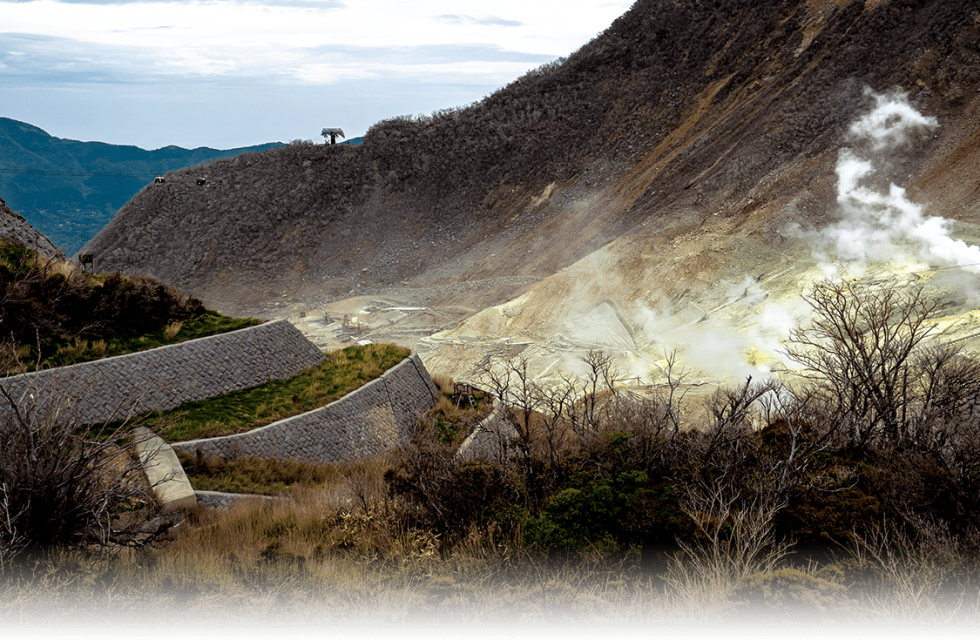
| Owakudani, with steam rising from fissures in the ground |
|
 |
Owakudani
Seen from above on the ropeway, Owakudani, also called Jigokudani ("the Valley of Hell"), is a stirring sight. "Black jewel eggs," eggs cooked in the area's thermal heat sources, are a Hakone specialty. According to legend, eating one is said to add seven years to your life. Visitors to Owakudani can enjoy the authentic taste of this unusual treat.
|
|
|
|
|
|
|
|
|
|
 |
|
|
|
|
|
|
|
|
|
|
|
 |
|
Flowers of Hakone |
|
|
|
 |
|
|
 |
|
Cherry blossoms (sakura) (around April)
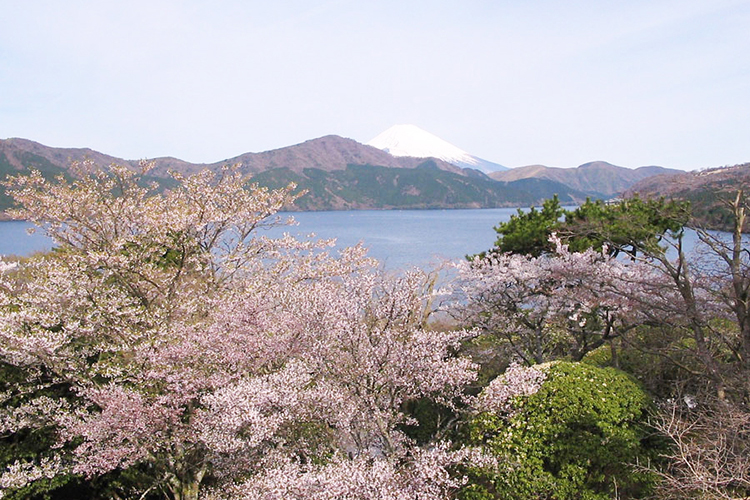
Many yama-zakura (mountain cherry) trees grow wild in the mountains of Hakone. In spring, people flock to Hakone to enjoy the sight of cherry blossoms scattered like pale clouds all over the mountains.
|
|
 |
|
Azaleas (late April to May)
The garden of the Hotel de Yama on the shore of Lake Ashi is famous for its azaleas. Colorful azalea blossoms can also be enjoyed in season in various parts of Hakone.
|
|
|
 |
|
|
|
|
|
|
|
|
 |
|
Hydrangeas (June and July)
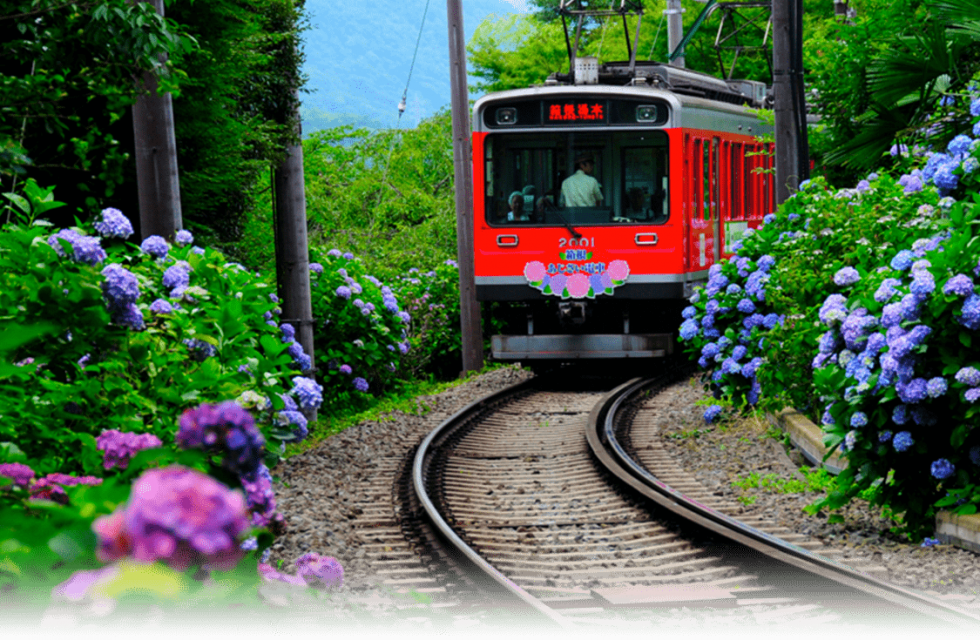
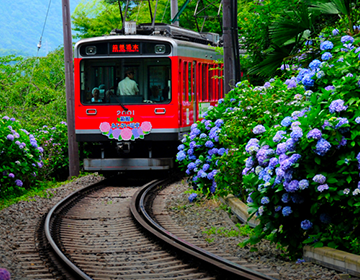
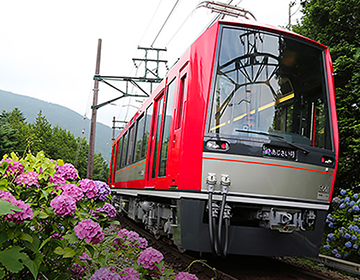
Hundreds of blooming hydrangea bushes line the tracks of the Hakone Tozan Train and attract throngs of visitors to the area. The train is nicknamed "the hydrangea train" during the season, and special evening departures take passengers past the flowers, which are illuminated for the occasion. |
|
 |
|
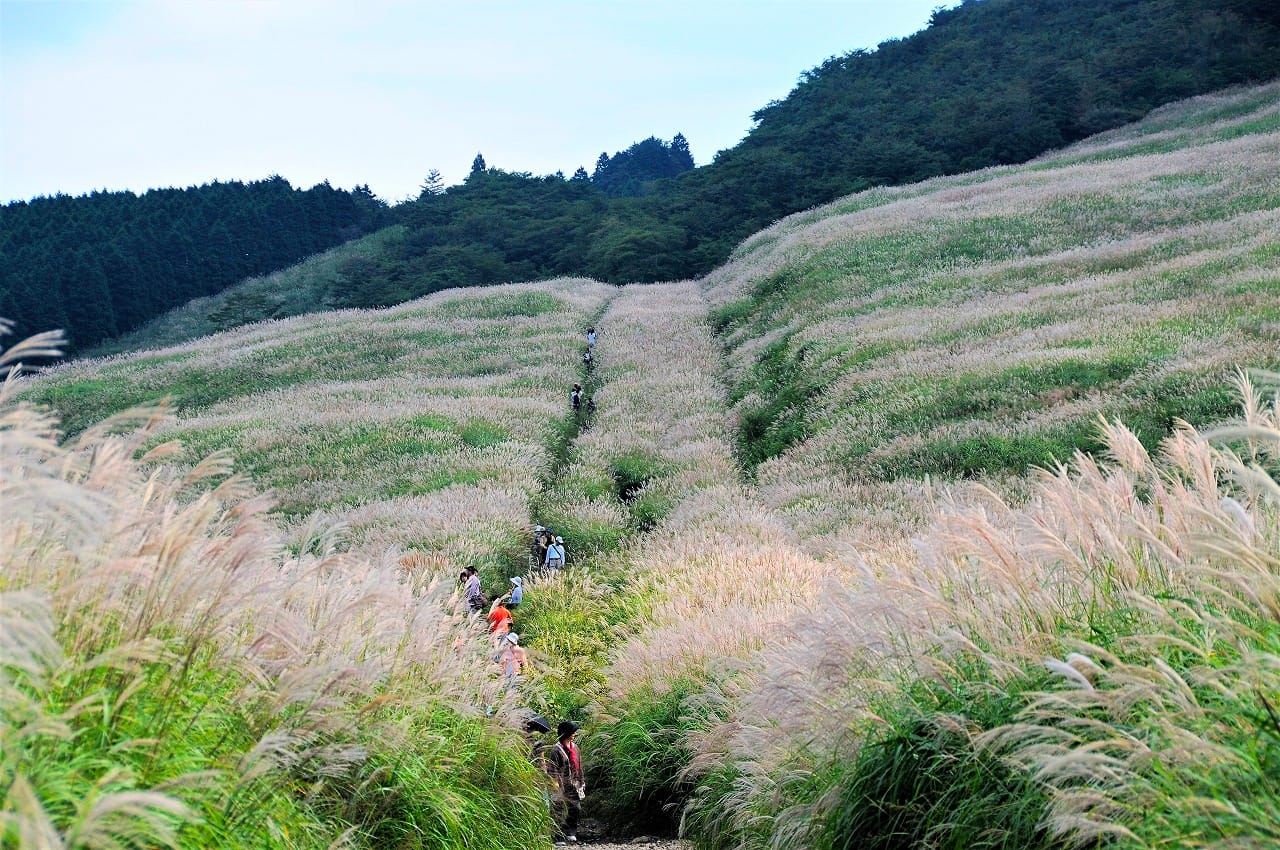
Pampas grass (September and October)
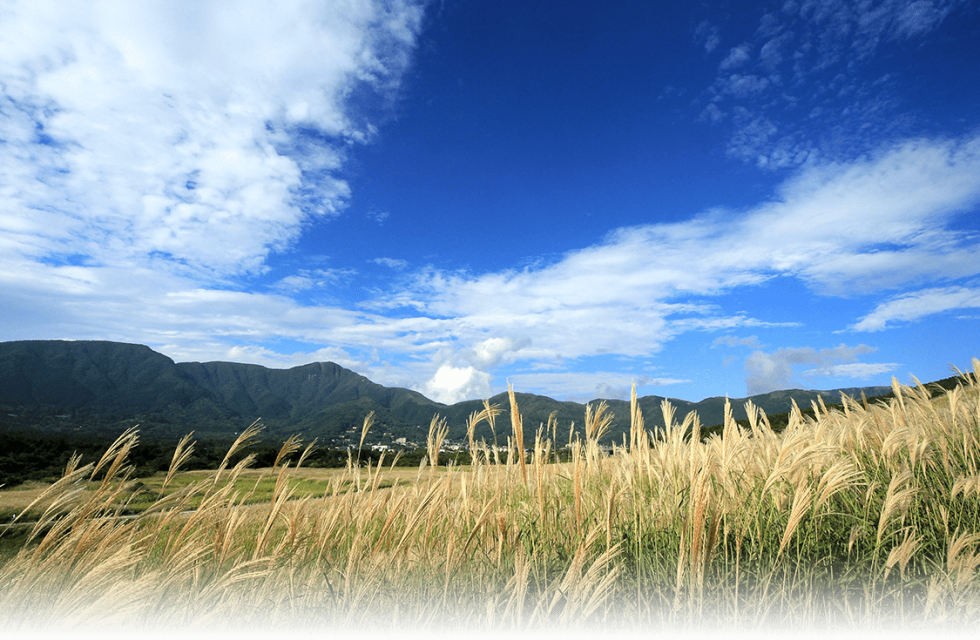
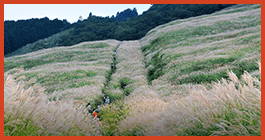
In Hakone, pampas grass grows on flat ground that turns into seas of pale gold waving tall grasses in autumn. This sight attracts many visitors in season and together with the brightly colored foliage, it's a popular autumn attraction.
|
|
|
 |
|
|
|
|
|
|
|
|
 |
|
Autumn foliage (November and December)
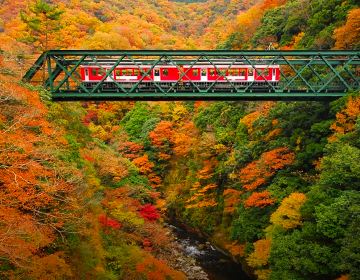
The mountains of Hakone turn bright red in autumn as the leaves change color. Because of the large differences in elevation, the foliage season lasts for over a month, and Hakone is one of the few sightseeing destinations near Tokyo where visitors can enjoy the colorful foliage until early December. |
|
|
|
|
|
|
|
|
|
|
|
 |
|
|
|
|
|
|
|
|
|
|
|
|
|
|
|
 |
|
Hot springs (onsen) |
|
|
|
 |
|
|
 |
| Hotel de Yama |
|
|
Overnight accommodations
Accommodations in Hakone offer a variety of hot springs good for everything from smoothing the skin to curative effects for various medical conditions. Guests can enjoy many different bathing facilities, ranging from large open-air baths and smaller open-air baths that can be reserved for private use to private baths in their rooms. Some also have separate buildings where beauty treatments for women are available. |
|
 |
| Himeshara Hot Springs |
|
|
Day spas
Several day spas in Hakone welcome visitors for a dip. Facilities are well organized and many people come for the day to enjoy a bath in Hakone's hot springs.
Some area hotels and traditional inns also make their bathing facilities available to day travelers. |
|
|
|
 |
|
|
|
|
|
|
|
|
|
|
|
|
|
|
|
|
|
|
|
|
|
|
|
|
|
 |
|
History |
|
|
|
 |
|
|
 |
|
Hakone Kyukaido (Old Tokaido Road)
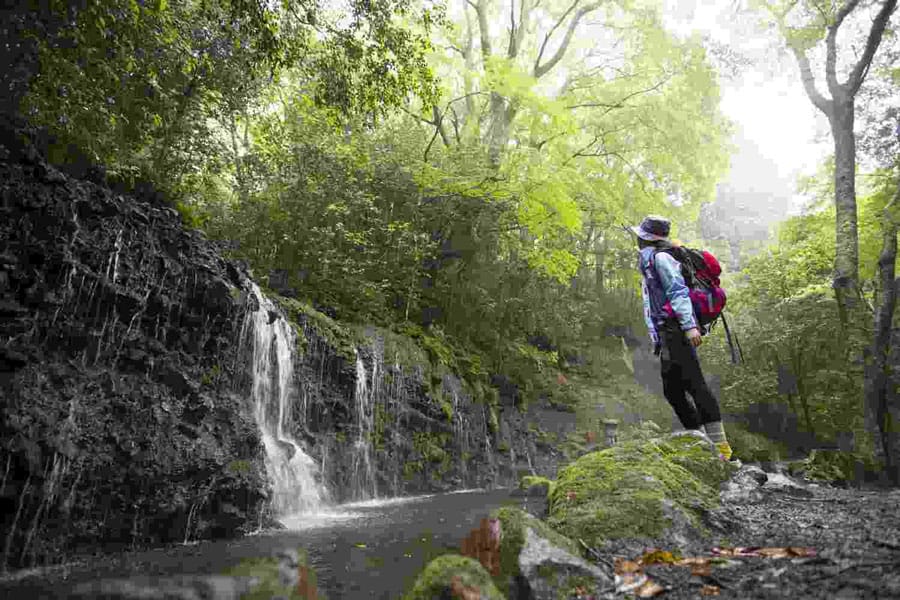
Sections of the Old Tokaido Road, a cobblestone-lined highway, still exist in Hakone. The road is used today as a hiking path, a good way for visitors to enjoy refreshing forest air. |
|
 |
|
Hakone-jinja shrine
A large red torii gate is the landmark identifying this 1,250-year old shrine. Huge crowds of worshippers come to the shrine during New Year celebrations. |
|
|
 |
|
|
 |
|
Hakone Checkpoint
This checkpoint was installed on the Old Tokaido Road, the main highway linking Edo (modern Tokyo) and Kyoto, to supervise the movement of people on this east-west route. Today, the restored facility is a popular tourist attraction. |
|
|
|
|
|
|
|
 |
|
|
|
|
|
|
|
|
|
|
|
|
|
|
|
|
|
|
|
|
|
|
|
|
|
 |
|
Parks and botanical gardens |
|
|
|
 |
|
|
 |
|
Hakone Gora Park
One of the most popular parks in Hakone, it features various flowers blooming in season. Summer and Christmas season lighting displays are an added attraction. It's one of a handful of parks in Hakone that can be enjoyed throughout the year.
|
|
 |
|
Onshi-Hakone Park
This park, formerly an Imperial family summer residence, is a famed cherry blossom viewing spot. Mount Fuji serves as a backdrop for this park on the shores of Lake Ashi.
|
|
|
 |
|
|
|
|
|
|
|
|
 |
|
Hakone Botanical Garden of Wetlands
A favorite spot for visitors who enjoy strolling amid flowers blooming in season. A guide service by park staff is also available and this park is a popular stop with tourists in spring and summer.
(Closed from December to March for the winter season.)
|
|
 |
|
Hakone Begonia Garden
Multiple varieties of begonias, including tuberous begonias with huge flowers, are grown in this park. Convenient access from Hakone-Yumoto Station by free shuttle bus.
|
|
|
|
|
|
|
|
|
|
|
|
|
|
|
|
|
|
|
|
|
|
|
|
 |
|
Art and other museums |
|
|
|
 |
|
|
 |
|
The Hakone Open-Air Museum
Japan's first open-air art museum was a pioneer of the genre. The spacious grounds are playfully dotted with sculptures, promising an enjoyable visit for everyone.
|
|
 |
|
Pola Museum of Art
This museum houses the art collection of Tsuneshi Suzuki, the late president of the Pola Group, which he accumulated over more than 40 years. The main body of the collection consists of Impressionist works, and other artwork, including paintings by Japanese painters in both Japanese and Western genres, as well as ceramics from the Far East, glassware and others are shown as well.
|
|
|
 |
|
|
|
|
|
|
|
|
 |
|
Venetian Glass Museum
This museum, along with shops and a café, is laid out on spacious grounds reminiscent of a town in Europe of the Middle Ages. Over 100 examples of fine Venetian glassware are on display.
|
|
 |
|
Lalique Museum, Hakone
A carefully selected 230 items from a collection of 1,500 articles are shown at this museum. On special display is an Orient Express rail carriage decorated with glass panels designed by René Lalique, where visitors can take a break over a cup of coffee or other refreshments.
|
|
|
 |
|
|
|
|
|
|
|
|
 |
|
Museum of Saint-Exupéry and the Little Prince in Hakone
This museum was erected to commemorate the centenary of the birth of Antoine de Saint-Exupéry, author of the famous story The Little Prince. Letters and photos related to Saint-Exupéry are on display. The facility includes a restaurant serving food from the south of France, a chapel and other buildings. |
|
 |
|
Narukawa Art Museum
This museum's collection consists of approximately 4,000 works, including some by prominent names in the world of Japanese art such as Ikuo Hirayama, Kyujin Yamamoto and Matazo Kayama. One hundred works are on view at one time, and the collection is rotated four times a year. The "Kisetsufu" tea lounge offers wonderful vistas of Hakone's natural beauty.
|
|
|
|
|
|
|
|
|
|
|
|
 |
|
Hakone-jinja Shrine Treasure Museum
The Treasure Museum, refurbished to mark the 1,250th anniversary of the shrine's founding, displays historically valuable documents and decorative items. At the Treasure Museum, visitors can learn about the history of Hakone and of Japan.
|
|
|
|
|
|
|
|
|
|
|
|
|
|
|
|
|
|
 |
|
|
|
|
|
|
|
|
|
|
|
|
|
|
|
 |
|
Transportation |
|
|
|
 |
|
|
 |
|
Hakone Tozan Train
Japan's only mountain railway, the Hakone Tozan Train leaves from Hakone-Yumoto Station, 100 meters above sea level, taking 40 minutes to climb to Gora, which is at an elevation of 500 meters. The climb is negotiated through a series of switchbacks, enabling travelers to enjoy an unusual experience.
|
|
 |
|
Hakone Tozan Cable Car
This cable car links Gora Station to Sounzan Station, a distance of 1.2 kilometers, in 10 minutes. The cable car races effortlessly up the steep slope, and even the station platform at the top is sloping.
|
|
|
 |
|
|
|
|
|
|
|
|
 |
|
Hakone Ropeway
The Hakone Ropeway provides an extraordinary aerial experience as it links Sounzan Station, at an elevation of 700 meters, passes through Owakudani, 1,000 meters above sea level, and heads for Lake Ashi. Each spacious car has a capacity of 18 passengers and large windows for panoramic views of the landscape.
|
|
 |
|
Hakone Sightseeing Cruise
The Hakone Sightseeing Cruise ships, large, gaudily decorated replicas of pirate ships, are a famous sight on Lake Ashi and a Hakone trademark. New pirate ships will go into service in the future, making a cruise on Lake Ashi more enjoyable than ever.
|
|
|
 |
|
|
|
|
|
|
|
|
 |
|
Hakone Tozan Bus
Operates the route from Hakone-Yumoto Station to Hakone-machi Port and Moto-Hakone Port and others in the Hakone area. Frequent departures make the Hakone Tozan Bus a great way of getting around on a tour of Hakone.
|
|
 |
|
Tourist Facility Circle Route Bus
This bus covers a circular route from Gora Station toward Sengokuhara, providing transportation to the numerous art museums and attractions in the area. A convenient way to enjoy the famous sights of the area and a representative transportation mode in Hakone.
|
|
|
 |
|
|
|
|
|
|
|
|
 |
|
Odakyu Hakone Highway Bus
Express highway bus from Haneda Airport and Yokohama to Togendai Port and the via Gotemba IC. Some buses also depart from/arrive at Shinjuku.
|
|
|
|
|
|
|
|
|
|
|
|
|
|
|